The Impact Of Interest Rates On New Construction Projects
2 min read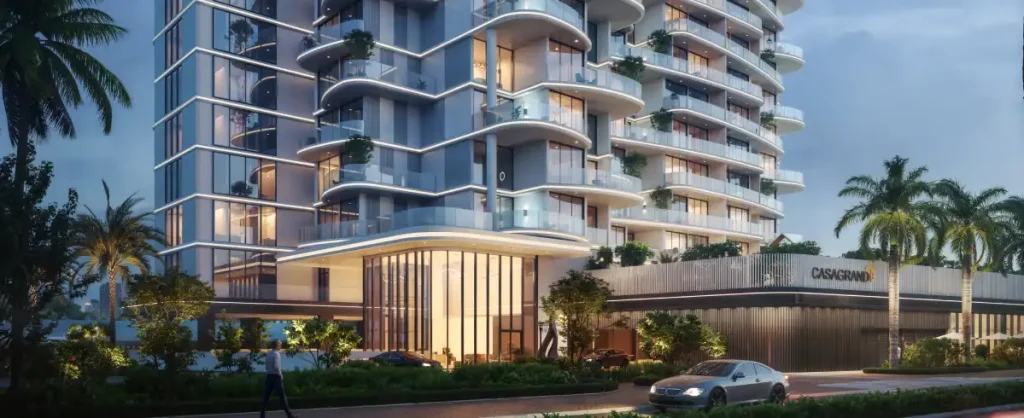
Interest rates act like a hidden pulse for the building world. When rates are low, money flows easily and new structures pop up everywhere. Investors find it cheap to borrow, making big ideas reality. However, rising rates change everything.
Higher costs make developers pause their plans. Right now, investors are looking at new developments in Dubai as a way to find value despite these global financial shifts.
Higher borrowing costs:
When the cost of borrowing goes up, the total price of a project rises. Builders need loans to pay for workers and materials. If the interest rate climbs, the bank asks for more money back. This extra expense can eat all the profit. Projects that looked good a year ago might now lose money. This forces many companies to stop work before they even start.
Slower buyer demand:
Interest rates do not simply hit builders; they hit buyers too. Most people need a mortgage to buy a home. When rates are high, monthly payments become very expensive. This means fewer people can afford to buy new houses. If builders think they cannot sell their units, they will not start new projects. This creates a slow cycle for the whole industry.
Material price changes:
High interest rates often happen when prices for everything else are rising. This makes wood, steel, and concrete more expensive. Builders face a double problem. They pay more to borrow money and they pay more for their supplies. This makes it very hard to set a budget. Many projects get delayed because the original cost estimates are no longer true.
Investor caution:
People with money want the best return. When interest rates are high, putting money in a bank or buying bonds is safer. Investing in a big construction project is risky. If an investor can get a good return without the risk of building, they might move their cash elsewhere. This leaves developers searching for new ways to fund their work.
Project delays:
Higher rates often lead to longer timelines. A builder might wait for rates to drop before starting the next phase. These pauses can last for months. Waiting costs money because the land sits empty. It also creates a gap in the housing market. When supply stays low, prices for existing homes can stay high, even if borrowing is expensive.